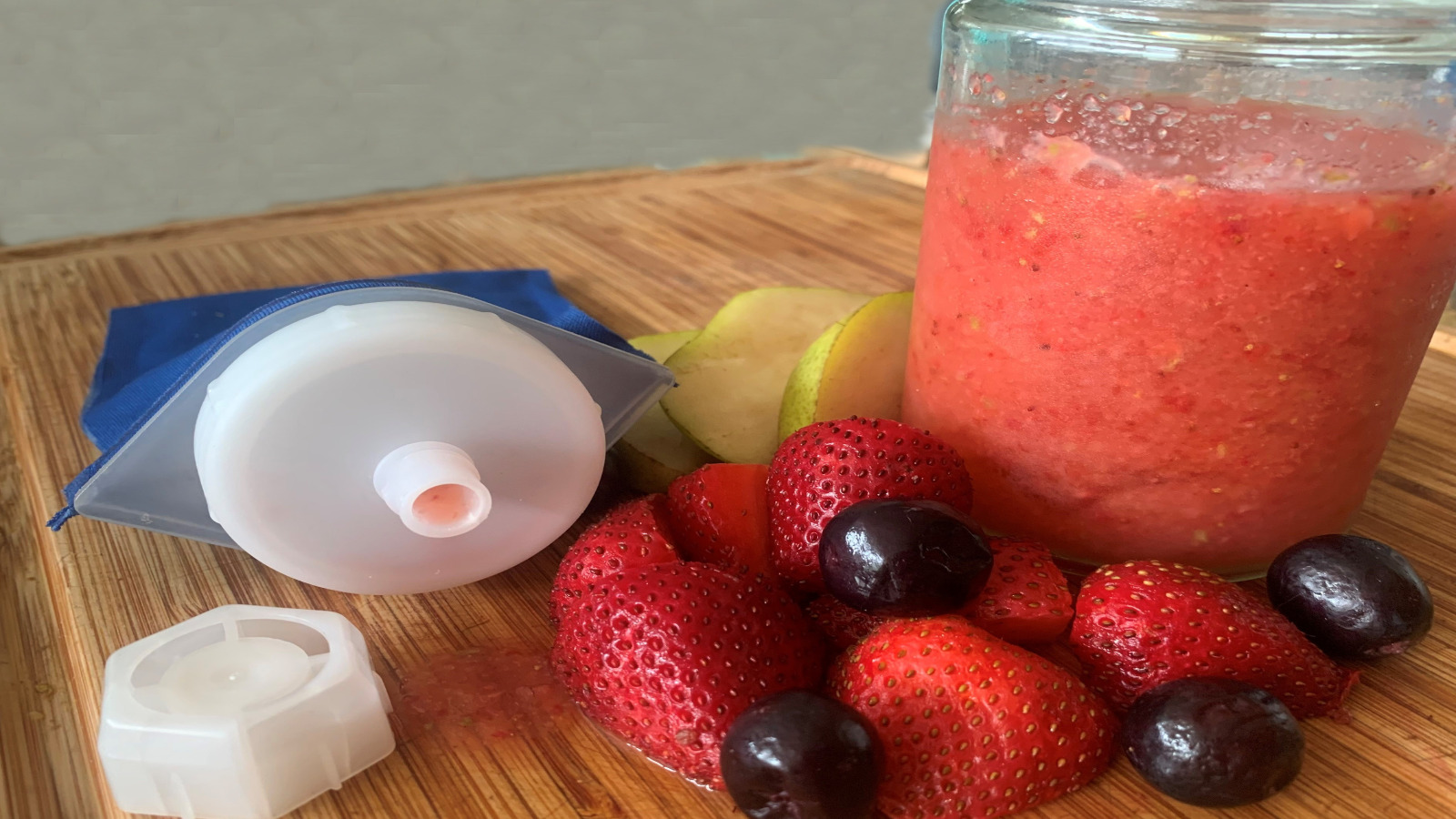
This berry, pear, kale, anti-aging smoothie is also an immune-boosting power shot!
Enjoy the health benefits of pear and berries rich in fiber and anti-inflammation benefits that aid in lowering blood pressure and cholesterol according to Christine Mikstas, RD, LD with WebMD Medical.
Paired with kale and spinach which are loaded with antioxidants and nutrients, this recipe will leave you looking and feeling young with its anti-aging ingredients!
Natural Products Expo West (NPEW) kicks off on March 8th as the world’s largest natural, organic, and healthy products event! Produced by healthy lifestyle leader, New Hope Network and co-located at the Anaheim Convention Center with Fresh Ideas Organic Marketplace, the event brings together an inspired community of industry members and exhibiting companies.
Known as the best venue to spot innovations, the exhibit halls are filled with companies that are shaping the future of food and wellness! The event will include over 600 up-and-coming brands making their event debut and an estimated 60,000 to 65,000 attendees, according to New Hope Network.
60% of total attendees include buyers from retailers such as Albertson’s, Kroger, Aldi, 7-Eleven, Sprouts, Whole Foods Market, GNC, Costco, Cambridge Naturals, PCC Markets, Earth Fare, Natural Grocers, Healthy Edge, Medly, Jimbo’s Naturally, Natural Grocers, FreshThyme seeking the hottest new products in the health and natural products industry.
The U.S. natural and organic products industry sales grew an estimated 7.7% to $274 billion in 2021, with sales on track to surpass $300 billion by 2024 and $400 billion by 2030, according to Nutrition Business Journal and SPINS.
Natural Products Expo is a business-to-business trade show and is not open to the public but we’ll be providing day to day reporting of the events and latest product innovations! Follow our coverage of the show @koecolife on Twitter, FB, and Instagram and @NatProdExpo and #ExpoWest on Twitter and Instagram.
About New Hope Network
New Hope Network is at the forefront of the healthy lifestyle products industry. With solutions for the complete supply chain from manufacturers, retailers/distributors, service providers and ingredient suppliers, the network offers a robust portfolio of content, events, data, research and consultative services. Through all its actions, New Hope Network aims to cultivate aprosperous high-integrity CPG and retail ecosystem that creates health, joy and justice for allpeople and regenerates the planet. For more information visit www.newhope.com.
Let’s be real, sometimes it’s a struggle to find gratitude about anything. At this time of year, we (in the US) are focusing on family gatherings and the concept of being ‘thankful’. It’s a time to pause and focus on the big (and small) parts of our life that make us happy. But, most do not continue this practice EVERY day, and does it really matter?! Well…YES!!
THE BENEFITS OF PRACTICING GRATITUDE
Numerous credible, health professionals and advisers believe in the benefits of practicing gratitude for physical and mental health.
HEALTH PROFESSIONALS
Most notably, The Journal of Personality and Social Psychology reports from a research study titled “Counting Blessings vs. Burdens” that in an experimental comparison, those who keep gratitude journals on a weekly basis exercise more regularly, report fewer physical symptoms, and feel better about their lives as a whole. Additionally, they are more optimistic about the upcoming week AND are more likely to achieve personal goals (academic, interpersonal and health-based) compared to those who record hassles or neutral life events (Robert Emmons & Michael McCullough, 2003-2006).
Alternatively, studies show that individuals experiencing physical, mental, or emotional pressure (i.e. psychological stress) are more susceptible to health problems. The National Cancer Institute reports that people who experience intense and long-term stress can have digestive problems, fertility problems, urinary problems, headaches, viral infections, depression, anxiety, and a weakened immune system. Evidence from experimental studies also suggests that psychological stress can affect a cancer tumor’s ability to grow and spread.
ADVISORS
Conversations With God author Neale Donald Walsch states, “Every act is an act of self-definition.” Therefore, “Everything we think, say, and do is a demonstration of our highest and our most sacred values and spiritual beliefs.”
Walsch believes we are “lost as a civilization” if we do not practice this standard.
When we take a moment to appreciate what’s happening in our bodies right now, with a spirit of curiosity, we honor all that our bodies do for us every day.
Allow Gratitude to Connect You to All Living Things
When we awaken awe and gratitude for our interdependence, we can infuse a spirit of loving-kindness toward all beings, including ourselves.
Awaken the Flow of Gratitude in Nature
The outdoors offer gentle (and sometimes not so gentle) opportunities to be present with our sensations and our surroundings. Awaken gratitude for the Earth by going outside and noticing what arises.
Counteract Resentment
When we cling to our ideas of what we want and resist the way things are, we invite resentment into our lives. Gratitude invites us to let go.
Nurture a Sense of Gratitude
Use meditation exercises to connect with your body and breath and the present moment. This is a gentle way to nurture a felt sense of loving-kindness and gratitude. We recommendThe Shine app which can be downloaded or found as a podcast called The Daily Shine.
It may seem overwhelming at first but eventually, it will become automatic and routine to do all five daily. Give it a try–you only have your health and happiness to gain!
Face yoga is a natural alternative to botox, fillers, and other more invasive procedures, that can bring lasting results if done regularly. The technique uses a variety of massage and exercises to target your face, neck, and shoulders.
BENEFITS
Medical researchers at Northwestern University, Loyola, and others find that face yoga may be effective in improving the structural appearance of your face by strengthening the muscles of the cheeks and face providing a more youthful appearance. According to Healthline, face yoga practitioners also report it may help to:
Erika Walljasper, Licensed Esthetician and Certified Face Yoga Instructor, focuses on holistic skin care at Facial Boutique. Facial yoga allows for the release of tension in the face and neck. “By taking more control of facial muscles, it helps us to recognize furrowing, clenching, and straining. All of these movements that we do on a regular basis without really thinking about it, create blockages in the face and neck,” according to Ms. Walljasper.
These blockages prevent blood flow and lymphatic flow which are essential for skin health and whole body wellness. “Our neck is the gateway to the rest of the body. We want the neck to stay open and tension released to lift muscles of the face, contour the jaw, and help firm the skin on the neck,” Walljasper states.
We have over 60 muscles in the face and neck and half don’t get used. Face exercises help lift and strengthen these muscles to avoid botox, fillers, and cosmetic surgery. Additionally, we can learn how to release tension in the face and neck and take control of facial muscles and the aging process!
Let us know what you think of the introductory exercises. Do you see improvement? We hope to report back after completion of the course with before and after pics!
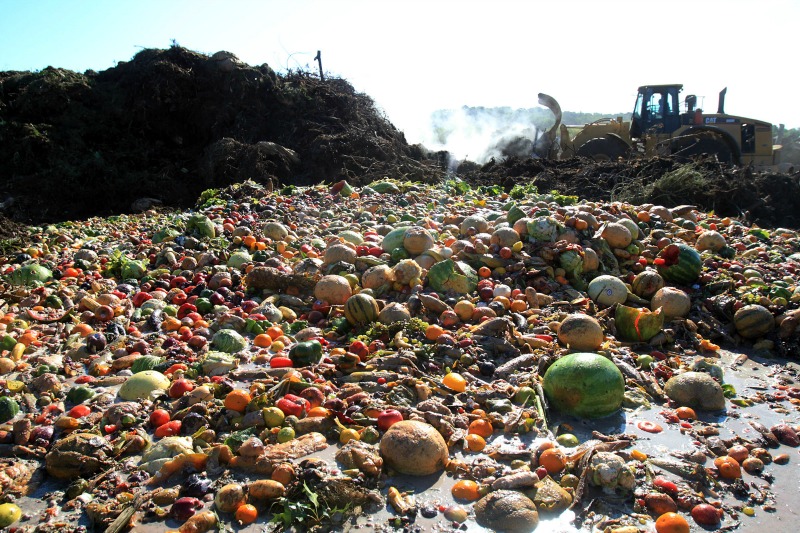
Food waste from Cedar Rapids and Marion Wal-Mart and Sam’s Club stores will be worked into yard waste and composted at the Solid Waste Agency’s compost site at the Site 1 landfill on Thursday, Sept. 8, 2011, in Cedar Rapids. (Liz Martin/SourceMedia Group News)
One of the easiest ways we can decrease greenhouse gases and reverse climate change is to reduce our food waste. According to National Geographic’s issue on The New Food Revolution, “our need for food poses one of the biggest dangers to the planet”.
Agriculture is one of the biggest contributors to global warming, emitting more greenhouse gases than all our cars, trucks, trains, and planes combined – largely from methane released by cattle and rice farms, nitrous oxide from fertilized fields, and carbon dioxide from the cutting of rain forests to grow crops or raise livestock.
So, what can we do?!
REDUCE FOOD WASTE
An estimated 25 percent of the world’s food calories (or about 1.3 billion tons) are lost or wasted before they can be consumed. In developed countries, the waste occurs in homes, restaurants, and supermarkets. These startling statistics led the U.N. to launch a global campaign, Think Eat Save, dedicated to reducing the ‘foodprint’ or food waste of consumers, retailers, and restaurants.
The good news! We, as consumers, can make simple changes that make a BIG difference in the amount of food we throw away each year. Try one or all of these top 6 tips to reduce your foodprint!
Avoid Impulse Buys
You’re less likely to eat the items you don’t need. Stick to ‘the list’!
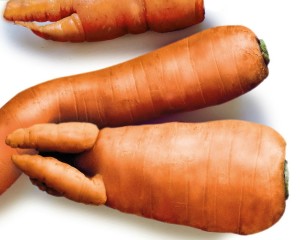
Buy Funny-Looking Produce
Nature does not naturally produce perfectly shaped, blemish-free fruit and vegetables so why do we expect it? When you buy the less than perfect ones at a grocery store or farmer’s market, you’re helping reduce food that might otherwise be thrown out.
Stock Like Supermarket Shelves
Remember FIFO – First In First Out. When unpacking groceries, move older products to the front of the shelf and put new products in the back. Great way to avoid the dreaded – “is this still good?” question on those post expiration date foods.
Eat Leftovers
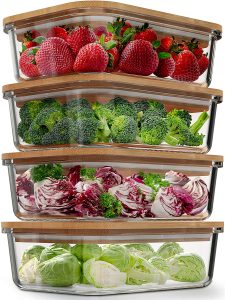
So easy to forget what’s in that styrofoam container or casserole dish after it gets pushed to the back of the fridge. If you have leftovers, make sure to put them in an airtight container at the front of the shelf. All containers are not created equal so verify that the lids are truly secure and marked as ‘airtight’. We like Tenzo Variety 4-Pack Glass Containers and Verel 36oz 4-Pack Containers. Both sets have bamboo lids that multi-task as cutting boards and serving platters. Great to also bring your own containers to restaurants for left-overs so no wasted ‘to-go’ container that’s usually not even recyclable!
Make a Smoothie
Soft fruit and vegetables can be used in smoothies as well as soups and nutritious juice. So easy to find smoothie recipes online but you can always try new recipes curated or created weekly @koecolife on #ThirstyThursday or our website!
Compost Waste
If some items just didn’t make it to your mouth and are rotting away…don’t worry! “Throw them in – the compost bin!” Compost bins can be discreetly added to any size yard or outdoor space and most food waste will naturally decompose without even needing to empty the bin!
Or, you can schedule regular compost pick ups through companies like Wastenot Compost in Chicago. For a small fee, they will provide a compost bucket and collect it as needed. ADD PROMO CODE update koecolife promo!!
Rather than adding your Christmas tree to landfill, consider these 5 Eco-friendly Alternatives To Throwing Out Your Christmas Tree.
You may be asking… Why bother? If disposed of in the garbage and brought to the city dump, these trees produce methane gas as they decompose or are incinerated contributing to global warming. Read on to find your favorite eco-friendly alternatives to throwing out a Christmas tree!
CREATE ORNAMENTS
Ornaments aren’t only for the tree!
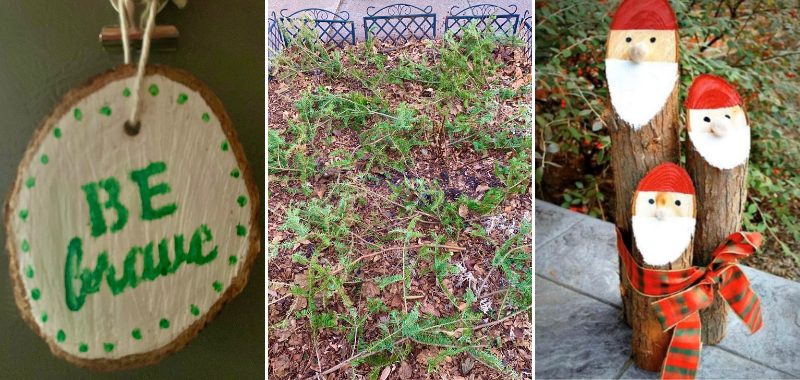
Cut sections .5-1” thick to create “discs”. Sand each section with heavy grit sandpaper. Do not sand the bark on the edges.
Make ornaments using craft paints and add traditional Christmas messages or motivational sayings, sports teams, etc. Or, decoupage photos and decorate your home and office all year long. These also make excellent gifts and gift tags!
CUT SANTA LOGS
Let your tree dry out in a covered spot or inside before cutting.
Cut off the branches and straight cut the trunk into varying height logs.
The other end should be cut at a 45-degree angle for the face. Then, paint with non toxic, eco-friendly paints such as milk paint. The noses can also be made from flesh-colored pompoms for more dimension.
Group together and tie with a ribbon or line a mantel or floor with these happy santas.
INSULATE GARDEN PERENNIALS
Your old Christmas tree can help save the lives of the other plants in your garden.
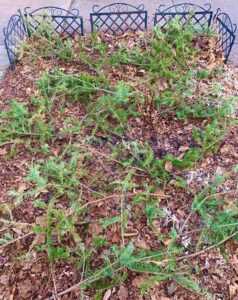
Cut off boughs and lay them over perennial beds to protect them from snow, wind, and frost. As the needles fall off, they become a natural mulch and help the soil retain moisture.
MAKE CANDLE HOLDERS
So many uses for the wood slices/discs of the tree trunk! Nothing has to go to waste.
Cut to desired size and drill holes to fit candlestick or tealights.
RECYCLE ENTIRE TREE
Curbside recycling pickup may be an option in your area, although there are often requirements, such as for the tree size and decoration removal.
Returning your tree to the seller (large tree farms and big box retailers such as Home Depot) or taking it to a recycling center is another great option, especially if your community does not pick up trees. Check to see if your county has drop-off locations or use Earth911’sRecycling Directory to find treecycling programs in your area.
Looking for eco-friendly, back to school gear? After extensive research and our own testing, we found a few stand outs from these eco committed companies. All are absolutely dedicated to the environment and making products that are fun and functional!
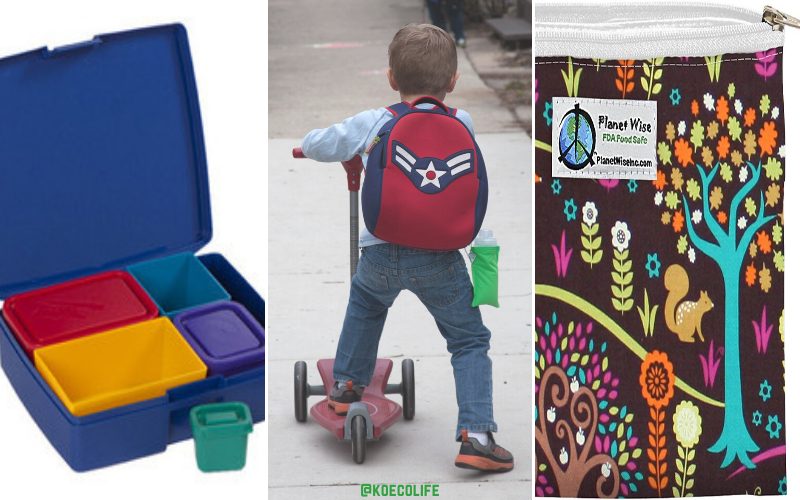
These insulated bags and backpacks will make your kiddo’s smile with their cute designs, super comfortable handles and straps, quick access internal/external pockets, and easy pack/unpack. Made from an environmentally friendly, lightweight, neoprene-like material that cushions and insulates, both bags and backpacks are machine washable and stain resistant. This innovative material is also degradable, recyclable, durable, and 100% toxic-free (zero lead and BPA, PVC, phthalates free)! Note: We used these for five+ years and they are VERY durable; however, we recommend hand washing to extend the life of the product.
juice sat overnight.” Bags are rather large at 9”H x 10”W x 6” and easily hold a drink container or thermos. They also fared well for comfort and ease of use with our three year old testers. Available in 16, colorful designs including animal shapes, stars and stripes, and flowers, there is something for everyone and appeal to kids of all ages. Backpacks are 11″H x 9″W x 6″ in 12 designs, sized for kids ages 3-7. Receive 40% off if you add a matching lunch bag. Available at http://www.dabbawallabags.com ($30/$44).
So, what’s a dabbawalla?? A person in India who delivers hot, home cooked meals in lunch boxes to workers and returns the empty boxes to the worker’s residence in the afternoon. Just thought you should know…
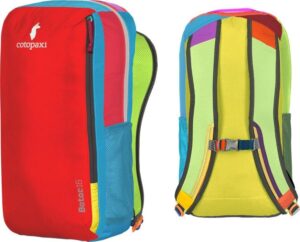
The Batac 16L backpackfeatures a main zippered compartment, along with a front vertical-zip pocket and two mesh water bottle pockets. Each Batac is made responsively to reduce waste with remnant materials, by employees who decide exactly how each one looks so no two are exactly alike!
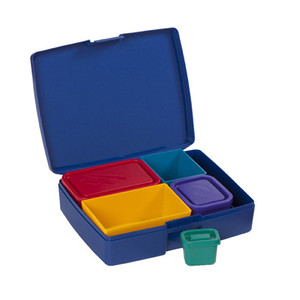
The Bento-ware lunchbox is perfect for preventing the lunch smoosh mess that comes with overcrowded backpacks or lunchbags. Made in the USA from eco-friendly, recyclable, dishwasher safe plastic, this lunchbox is built to last! Extremely durable (many reviewer’s kids have been using the boxes for years) and designed to appeal to kids AND adults, these boxes allow parents to pack a nutritious lunch for the whole family.
Each lunchbox is sold with three water-tight lidded and two unlidded containers (the box acts as the ‘lid’ for unlidded containers). There is also a compartment to hold adult sized (under 6½”) utensils. Stainless steel fork and spoon sets can also be purchased separately on the bento-ware website. Our youngest tester (aged 3) did have trouble opening the box initially so this takes some practice for younger kids. However, we like that it has a secure, durable closure! Available at www.laptoplunches.com ($23).
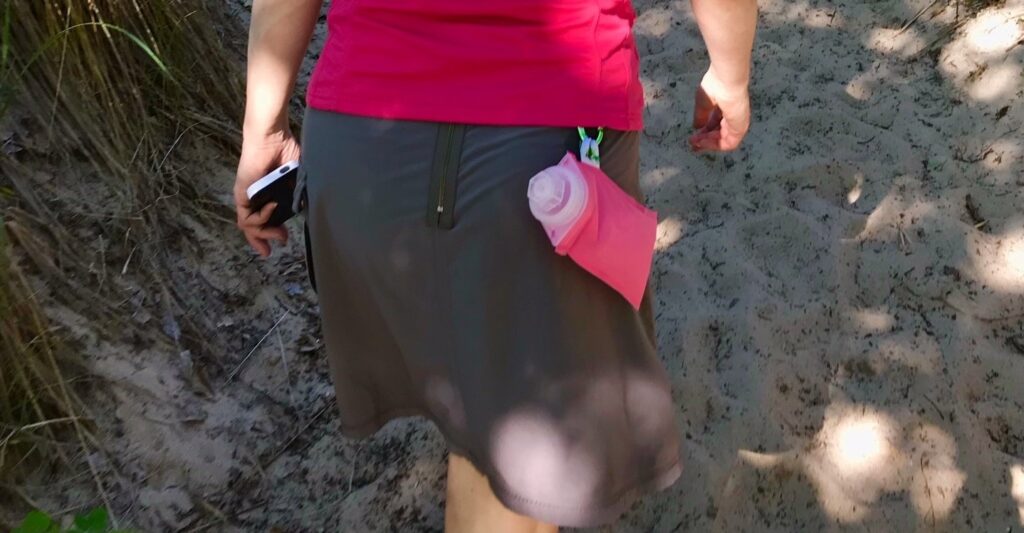
This reusable, collapsible, waterproof, easy-to-clean, on-the-go, human and pet storage bottle/container Gives Back (now in partnership with Feeding America) with every purchase!
It holds fruit and veggie smoothie/purees as well as solids like carrot sticks, apple slices, and trail mix. As a bonus, THE POWCH! is freezer and dishwasher safe and can be used as an ice pack and heating pad. Available at www.koecolife.com ($19.99). Use coupon code ‘BACK20’ for 20% off!
Reusable snack and sandwich bags are a must for eco-friendly, back to school gear. There are many choices out there and we chose selectively based on materials and made in USA sourcing and manufacturing.
Planet Wise offers a machine washable, water resistant bag with a locking zipper ‘no leak’ design. Kiddie and more sophisticated patterns also make these fun for all ages! Check them out at www.planetwise.com ($6.95).
Do you have other favorite eco-friendly, back to school gear to recommend? We’d love to hear about it and expand our list. Please leave a comment and share your favs!
Why choose to make ‘all natural sunscreen’? The FDA is conducting a major review of Over The Counter (OTC) sunscreens to assess there safety and quality.
In 2019, the agency proposed that of the 16 currently used ingredients in OTC sunscreens, only two — zinc oxide and titanium dioxide — are considered safe and effective based on available data.
It is alarming to see the research that confirms many traditional sunscreens use potentially toxic chemicals, synthetic preservatives, colors, and fragrances that generate free radicals which leads to early skin aging and non-melanoma skin cancer. Additionally, these ingredients can be hormone disruptors in children and toxic to sea life.
Anything coming in constant contact with your skin will land in your bloodstream for distribution throughout your body. Chemicals ON your skin may actually be worse than digesting them because they are absorbed immediately and go directly to your delicate organs. This makes it even more critical that we protect ourselves and our families from the dangers of toxic sunscreens.
You may have heard the saying, “if you can’t pronounce it, then don’t eat it”. The same goes for not using lotions, gels, creams, etc. with ‘foreign’ ingredients.
So, what ‘toxic’ ingredients are used?
The common ingredient the EWG is wary of is retinylpalmitate, a form of vitamin A added to sunscreen as an antioxidant.
“Federally funded research found that when you add this form of vitamin A to a skin cream and then put it on mice and expose them to UV radiation, they have higher rates of skin damage, skin tumours and lesions,” Lunder said. “And this is because the ingredient breaks down to a phototoxic ingredient that’s harmful to the skin.”
EWG looks at active and inactive ingredients in sunscreen, rates formulations for their ability to protect skin from UVA and UVB rays, looks at stability of ingredients and checks for allergens and potentially dangerous chemicals. Check out how your sunscreen fared here.
All ingredients have a natural SPF; unfortunately, since this is a homemade recipe and has not been tested by a regulatory organization, we can’t make any claims as to the combined SPF. However, the individual ingredients that are naturally SPF are:
*For a simpler version for moderate exposure, mix coconut oil and shea butter with; a little Raspberry Seed and Carrot Seed Oil or some Zinc oxide. Or, add Zinc Oxide to your favorite organic lotion (that doesn’t contain citrus oils).
As always check with your doctor or dermatologist before using any new products.
2 Tablespoons Zinc Oxide (This is a non-nano version that won’t be absorbed into the skin. Be careful not to inhale the powder. This makes a natural SPF of 2-20+ or more can be added.)
Optional: Essential Oils, Vanilla Extract or other natural extracts to suit your preference
How to:
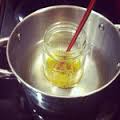
Combine ingredients (except zinc oxide) in a pint sized or larger glass jar. (Great repurpose use for a former spaghetti sauce jar!) Fill a medium saucepan with a couple inches of water and place over medium heat.
Put a lid on the jar loosely and place in the pan with the water.
As the water heats, the ingredients in the jar will start to melt. Shake or stir occasionally to incorporate. When all ingredients are completely melted, add the zinc oxide, stir in well and pour into whatever jar or tin you will use for storage.
Stir a few times as it cools to make sure zinc oxide is incorporated.Use as you would regular sunscreen. Best if used within six months!
NOTE:
This sunscreen is somewhat, but not completely, waterproof and will need to be reapplied after sweating or swimming
Make sure not to inhale the Zinc Oxide- use a mask if necessary!
This recipe has an SPF of about 15-20, though adding more Zinc Oxide will increase the SPF
Beeswax can be added as a thickener if desired
Store in a cool, dry place or in the fridge (will melt in warm environment so make sure to shake container before opening).
Wanna improve your health on the inside and out? Make this mega skin brightening and disease-fighting Rainbow Smoothie in advance and freeze in THE POWCH! for a boost all week! It’s THREE delicious smoothie recipes in one!!
Mango, kiwi, and strawberry provide a powerhouse of skin glowing and disease-fighting vitamins and antioxidants.
In addition, we like to combine greens with our fruit smoothies for the added nutrient benefits. Spinach is a neutral-tasting, leafy green that is barely noticeable when mixed with sweet fruits.
Spinach is considered a superfood because of its nutrient density and health benefits. This leafy green helps your skin, hair and bones! Healthlinereports that spinach contains the following:
Vitamin A. Spinach is high in carotenoids, which your body can turn into vitamin A.
Vitamin C. This vitamin is a powerful antioxidant that promotes skin health and immune function.
Vitamin K1. This vitamin is essential for blood clotting. Notably, one spinach leaf contains over half of your daily needs.
Folic acid. Also known as folate or vitamin B9, this compound is vital for pregnant women and essential for normal cellular function and tissue growth.
Iron. Spinach is an excellent source of this essential mineral. Iron helps create hemoglobin, which brings oxygen to your body’s tissues.
Calcium. This mineral is essential for bone health and a crucial signaling molecule for your nervous system, heart, and muscles.
RECIPE (serves 3-4)
INGREDIENTS
Strawberry Smoothie
2 cups unsweetened frozen strawberries
1/2 cup orange juice
1/2 cup unsweetened yogurt (can substitute coconut water, almond milk, or other lactose-free option)
DIRECTIONS
Add strawberries first, then orange juice and yogurt to blender. Blend until smooth.
Kiwi Smoothie
1 kiwi, peeled and sliced
1 cup spinach
1/2 cup unsweetened almond milk
Organic maple syrup or honey to taste
DIRECTIONS
Add spinach first, then kiwi and almond milk to blender. For sweeter flavor add maple syrup or honey. Blend until smooth.
Mango Smoothie
1 1/2 cups mango nectar (can substitute apple or orange juice)
1 banana cut in half
3/4 cup unsweetened yogurt (can substitute coconut water, almond milk, or other lactose-free option)
1 1/2 cups frozen mango chunks
DIRECTIONS
Add mango, banana, then juice and yogurt to blender. Blend until smooth.
Pour strawberry, then kiwi, and top with mango smoothie as pictured (or in any order you desire to create the layers of the rainbow smoothie!)
For an added eco benefit, repurpose your jars as informal glassware. In a hurry? This smoothie makes a perfect on-the-go breakfast or snack. Make in advance and freeze blended in THE POWCH!TM for an easy grab-and-go meal.
Going green starts at home, and while separating paper from plastic in your recycling bin is a great first start, there are more steps you can take to be less wasteful and reduce your carbon footprint. In fact, by making small lifestyle changes, you may end up saving time and money in the long run while also encouraging healthier habits.
While going green might seem complicated, small, manageable actions can make a significant impact to ensure a healthy planet for future generations. Redfin reached out to us and other eco-wise experts from Salem, OR, all the way to Chicago, IL, for our best Earth Day tips to help make your home more sustainable. Check out what we had to say so you can start living greener on Earth Day and beyond.
1) Reduce plastic waste in your kitchen
Swap plastic sponges for eco-friendly sponges made from Loofah, a natural fruit that comes from the cucumber family. This means they’re 100% compostable making them a greener cleaning alternative in your kitchen.
We have reduced a lot of plastic waste at our home by switching to refillable shampoo, conditioners, hand wash, and dishwashing liquids. There are several bulk food stores that sell these eco-friendly cleaning alternatives and you can either take your own bottle or these stores also sell the refillable bottle if it’s your first time. –Ekoroo
2) Be mindful of your cleaning products
What better way to disinfect your home than to use the natural germ-killing power of the sun? UV disinfection products can disinfect the air and surfaces in your home with the push of a button. Ditch the chemicals, plastic bottles, and disposable cleaning products for environmentally friendly disinfection with ultraviolet light. –Violet Defense
3) Get a home energy score
Home Energy Scores help homeowners and homebuyers better understand a home’s energy use – shining a light (preferably LED) on possible energy efficiency improvements they can make to save money and support a more sustainable energy future. –Oregon Department of Energy
4) Circulate the air inside your home
The air inside your home can be up to 5 times more polluted than the air outside. Even during cooler times of the year, you’ll want to open your windows for several minutes each day. Your heating and air conditioning systems will run more efficiently with clean, circulated air so don’t ever fret over “letting all the cold air in” or “letting all the warm air out.” –Just Naturals
5) “Greenify” your home office
The at-home worker can support their company’s sustainability goals by making green improvements within their own home office. This includes reducing paper use, installing LED lighting, properly recycling office materials, and investing in energy-efficient office appliances. Working remotely is also a powerful way to lower your carbon footprint. Not only does this eliminate travel emissions but it leaves more time for productivity and tending to your family, home, and personal health. –Green Business Bureau
6) A tried-and-true Earth Day tip: conserve energy within your home by turning off lights
To reduce energy usage and a building’s carbon footprint, “OFF” is still the simplest solution. Begin by turning off lights in favor of natural lighting and by using HVAC equipment less in favor of natural ventilation to expand your range of comfortable temperatures so that equipment operates less frequently to maximize energy savings and cost reductions. And, because lights and equipment must be used at some point, try to tighten your building envelope and utilize energy-efficient equipment such as LED lights and high-efficiency, variable-speed heating, and cooling equipment. –Elara Engineering
7) Invest in energy-efficient appliances
If you replace your old gas range or cooktop, replace it with a newer eco-friendly electric induction model. Electric induction cooking uses magnetic currents to directly heat the cookware only, saving energy. As an added bonus, cleanup is a breeze because the cooktop never gets hot and food never burns on it. –EcoHappy Style
8) Give your bathroom habits an eco-friendly and healthy makeover
It’s time to ditch the harsh chemical cleaners. A great Earth Day tip is switching to plant-powered cleaners kissed with essential oils for those non-porous surfaces. Plus, it’s safer for you, your family, and the planet. –Rebel Green
9) Divert landfill waste
Did you know that 60% of landfill waste is compostable? In addition, most green waste is enclosed in plastic bags and creates methane gas in the landfill. Start a worm composting bin and feed that green waste to your composting worms. You will divert landfill waste and your worms will create worm castings that you can use on your houseplants, landscapes, or gardens. –Iowa Worm Composting
10) Grow your own garden
Growing your own food is not as difficult as it sounds, and it can be done anywhere. Have a yard? Great, start there. No yard accessible to you? No problem, grow indoors- or better yet, create a community garden with your neighbors and friends.
Start small with something like a herb plant or two. Not only are you reducing food waste by growing your own food (as the majority of foods come packaged in the store), you are also allowing yourself to connect deeper to the earth. –Eco Goddess
11) Make sustainable swaps one step at a time
Where you can make a difference depends on your lifestyle. Some people love their to-go coffee, while others clean their ears often. Having a more eco-friendly lifestyle is really about taking a good look at the things you bring into your home and throw out, and just replacing or eliminating one thing at a time. An Earth Day tip to make these conscious choices a part of your lifestyle is to replace one thing a month, so you get 30 days to get used to this new habit. –LastObject
12) Incremental changes are key for a greener lifestyle
When converting your household over to healthy and environmentally conscious products, do so in small increments. Changing everything at one time can be overwhelming and costly. Consider changing products over in one area at a time, such as the kitchen, shower, or laundry. Think about all of the toxic products in your home and start replacing the ones that seem easiest, like hand soap versus your favorite shampoo. Allow yourself to run out of the prior product, then replace it with a healthier choice. This Earth Day tip will save you money and help you to adjust to new products a little at a time. –Edge Green Cleaning
13) Use reusable food and drink containers
Choose an earth-loving, reusable food or drink pouch with a built-in straw to avoid the 2.5 billion disposable food pouches that go into landfills every year (not to mention the 38 billion water bottles and 182.5 billion straws). These can be filled with applesauce, smoothies, yogurt, water, and much more to make on-the-go eating/drinking easy and eco-friendly. And, many are collapsible to save storage space. –k.o.ecolife
14) Reuse plastic bags or containers
Not everyone has access to bulk grocery stores or farmers’ markets. If you’re stuck buying groceries that come in a resealable plastic bag or container, an Earth Day tip to reduce plastic waste is to wash and reuse them for lunches or leftovers instead of buying more plastics bags. These bags are a waste of money and create more plastic waste. –Kimberly-Carr Home Designs
15) Go one step beyond and try to make changes in your local grocery store
A unique Earth Day tip is to start a green movement within your community. Ask your supermarket manager if they will look to carrying fewer products packaged in plastic. If we don’t buy them (eggs in plastic crates, milk in plastic bottles, etc.), they will feel it. –Let’s Talk About Food